
SILENT HILL Townfall How to Survive Townfall
Health, phones, and the discipline to leave a bullet in the cylinder.
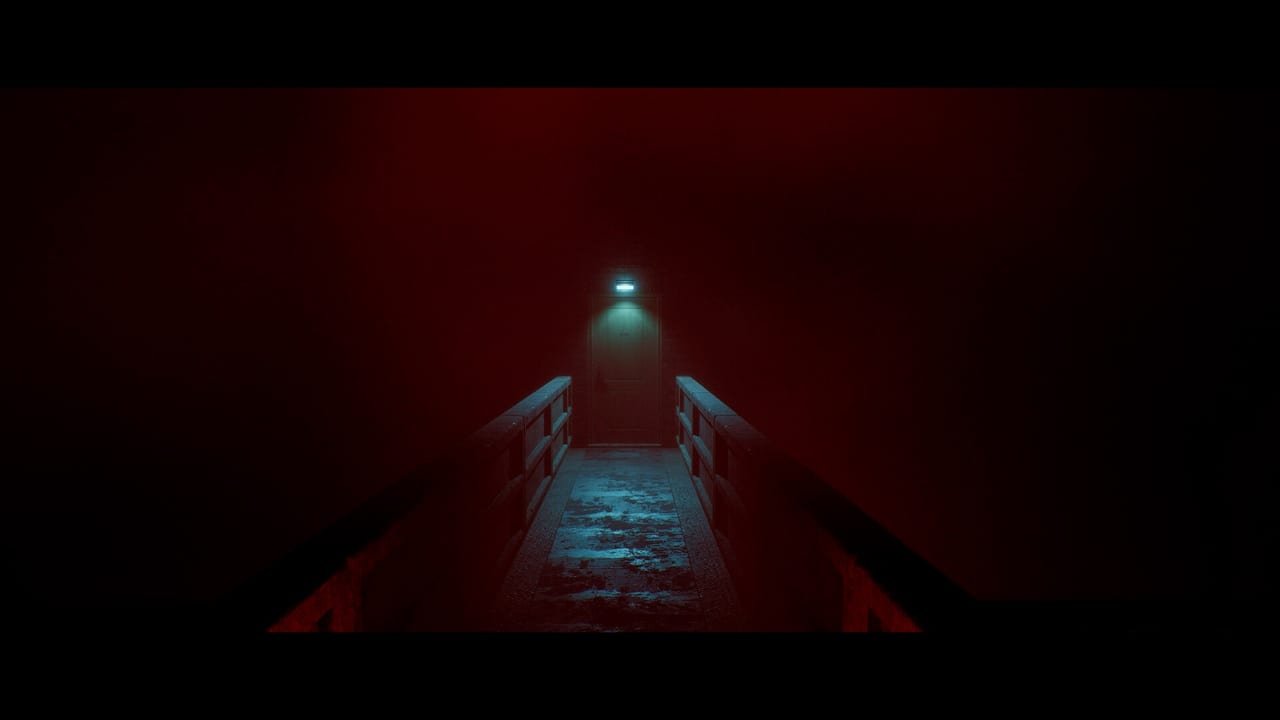
SILENT HILL: Townfall is not trying to make Simon Ordell powerful. Japanese preview coverage is the cleanest numbers we have before launch: he dies in about four or five hits on Normal, early firearms carry three or four rounds, and healing is an inventory action, not a bumper panic button. The game is still unreleased — September 24, 2026, with Deluxe 48-hour access on September 22 — so treat those figures as preview-accurate, not as a speedrun wiki. They are already enough to set a policy.
This page is that policy. Button mapping is on controls. Encounter flow is on combat and stealth. Creature types are on monsters. What follows is the resource discipline that keeps those pages from becoming a game-over loop.
Health is a short stack
Four or five hits is not a health bar you can tank through a tenement. It is two mistakes and a grab. The Otherworld creature that fires tentacles from its chest can snatch you almost instantly if you are already bleeding; PlayStation Blog said that out loud. Do not enter a red-lit alley at half health because you want to “see what happens.”
Heal from the inventory when you have cover, not while a blade-face is winding up. Previewers noted there is no one-touch heal. That delay is the tax. If a closet is empty, climb in, open the bag, use the kit, then scan the CRTV before you leave. First-aid hides in the same places as story junk: bathroom cabinets, clinic trays, drawers in Shorefront kitchens, boxes in the tenement. Search every room you already paid to enter. Skipping a bathroom to save time is how you spend a plank later.
Simon wakes with an IV bag and a wristband. That is character, and also a tool. Japanese preview coverage (IGN Japan) said equipping an IV bag can revive him after a lethal hit, returning a sliver of health for one last swing or a run to a closet. Do not treat that as a second life you can farm. Search medical interiors as if they were designed for him. A full list of planks, bottles, the revolver, flashlight, and that bag sits on items and weapons. Do not assume the island is stocked like a Resident Evil campaign; Screen Burn’s habit is scarcity with analog flavour, not a crafting tree you can farm.
Phones are the save, not a checkpoint cloud
Footage and IGN Japan both put saves on phone boxes. Pick up the receiver. Japanese hands-on had Simon dial 100 to complete the save. Do that whenever you see a box, especially after a puzzle, before a street crossing, and after you have spent a healing item you cannot replace. The analog animation is slow on purpose. You are meant to feel the relief. You are also meant to use it.
There is no evidence in previews of a mid-chase autosave that will rescue a bad peek. If you are about to open a door the game asked you about, save first. If you just found a revolver box, save before you fire it. If a closet chase just ended, save at the next phone before you “quickly check” the next floor.
Conserve like the plank is unique
Wooden clubs last a couple of battles. Pipes break. Bottles and bricks stun or lure; they are not a backup sword. Every swing you take on a creature you could have walked around is a swing you will not have when a door seals. The combat page is the how; this is the when: swing to break a grab or to leave a jammed threshold. Do not swing to tidy a street.
Ammo is worse. Three or four revolver rounds is a typical early pocket. The gun is loud enough that a kill can be a net loss if two more bodies arrive. Reload is slow — each cartridge seated by hand. Never dump the cylinder into fog “just in case.” Save rounds for:
- A grab you cannot block.
- A threat the plank does not stagger.
- A moment the CRTV says something is on the other side of a door you must open.
If you complete a Shorefront hour with the same three bullets you found, you played correctly. If you complete it empty, you will hate the tenement.
When to run
Run when the plank is gone. Run when the CRTV silhouette is already facing you and cover is closer than the creature. Run when Konami’s own rule applies: some enemies cannot be fought. Evasion is not a failed combat. It is the listed option.
Do not run in a straight line down a hallway you have not scanned. First-person removes the orbit that made old Silent Hill sidesteps feel safe. Peek L1, check the glass, then move to the next car, fence, or half-open door. Sprinting the entire street is how previewers got hit from behind.
Use CRTV noise and thrown bottles to make a creature walk somewhere you are not. Then leave. Bait is a tool for exits, not for farming. Hiding in a closet is a tool for time. If the banging stops and the silhouette is still on the glass, you are not late — you are alive. Wait.
Difficulty names, and what they actually change
Preview builds offered three combat/survival settings — Story, Normal, Nightmare — plus a separate puzzle-hint toggle (hints on, or normal). Press defaulted to Normal with hints on. That is the intended first-week setting for most players. Names, what they change, and what they do not change are on difficulty settings.
Story exists if the four-hit fragility is the problem and you still want the investigation. Nightmare exists if you want fewer safety nets and you already understand peek. Neither setting is a different campaign. Puzzle hints will not make Simon tougher; combat difficulty will not solve a radio. Set them independently.
Endings do not appear to be a simple “play Nightmare for the good ending” flag. McKellan has said conclusions come from aggregate behaviour — how aggressively you fight, how completely you search — not from an A/B prompt. If you want a particular tone at the credits, the endings page explains the structure (three endings on a first playthrough, two in New Game+) without spoiling the films. For survival, the rule is simpler: do not throw fights you do not need just to “see combat.” The needle is watching.
A Shorefront checklist you can reuse
- Phone box whenever one is in sight.
- CRTV scan, then peek, then walk. The CRTV guide is the extra eye; it is not a shield.
- Search the room you are already in for first-aid before you leave it.
- Spend wood only to create an exit.
- Spend bullets only when wood has already failed or is not legal.
- If a monster does not stagger, stop paying it.
- Heal in cover. Then save.
Length estimates for a first clear sit at 10 to 14 hours. The long end belongs to people who hide, search, and leave cylinders full. That is not slow play. That is the design. Leave items in the bag for the red streets. St. Amelia is very good at asking for them later.
Frequently Asked Questions
Quick answers for launch week and first-person survival.
How much health does Simon have?
Preview coverage puts him at about four or five hits on Normal before a game over. Heal from the inventory in cover, not during a swing.
Where do I save?
Phone boxes. Japanese hands-on had Simon dial 100 on the receiver. Use every box you see, especially before streets and after chases.
Should I use the revolver early?
Only if a plank cannot finish the job. Ammo is typically three or four rounds, reloads are slow, and gunfire draws more enemies. Details on combat and stealth.
What difficulty should I pick?
Story, Normal, or Nightmare for combat, plus a separate puzzle-hint toggle. Press used Normal with hints on. Hints do not make Simon tougher.
Do survival habits affect endings?
Endings come from how you play overall — aggression, thoroughness — not a last dialogue pick. Three are available on a first run; two wait in New Game+. See the endings overview.